Menu

R&D Field

Pride in producing automobile’s internal and external key components and electrification components.

Leading the Way in R&D

  • Future Growth Engine

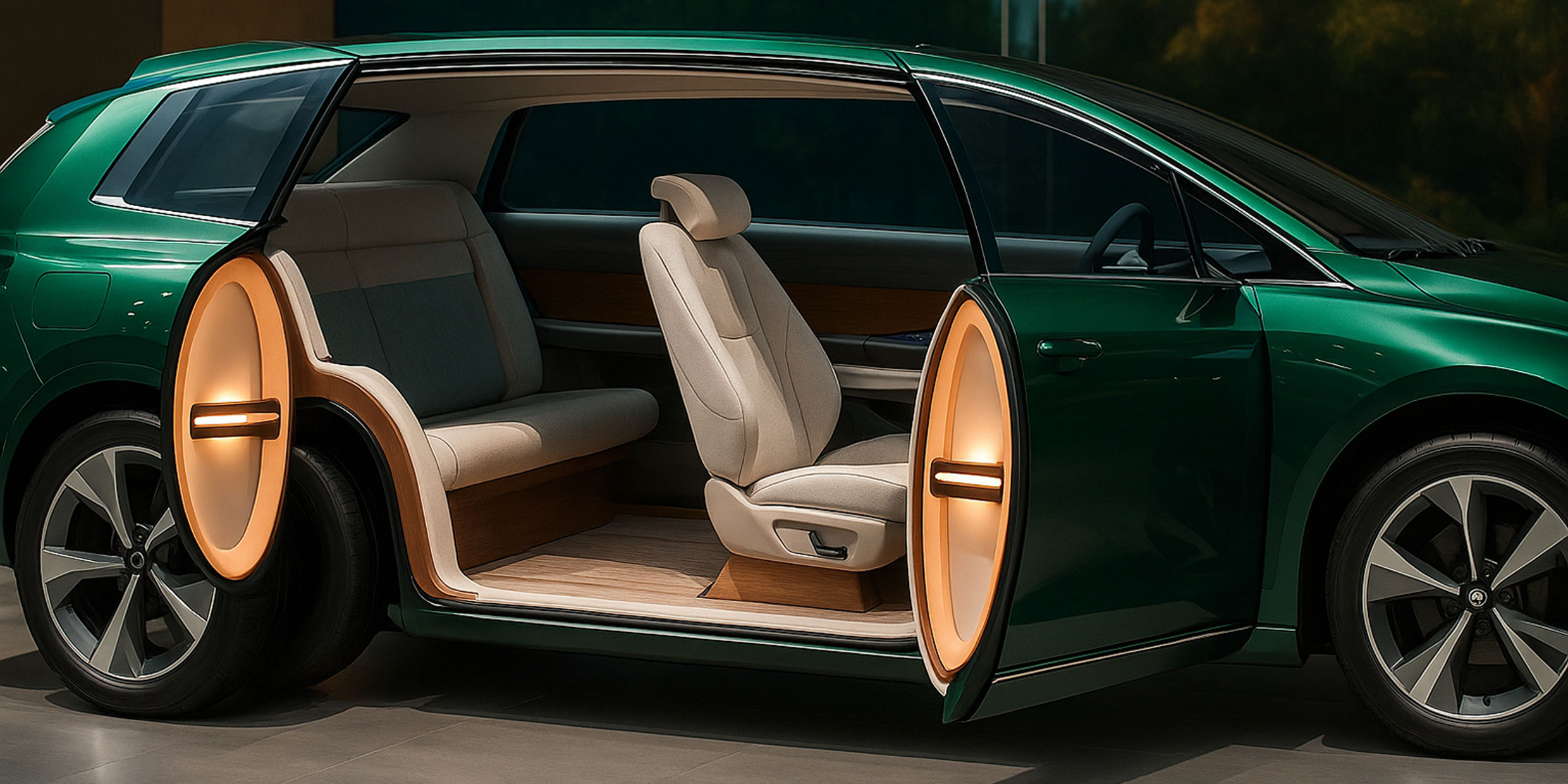
    • Intelligent eco-friendly interior convergence technology linked to autonomous vehicles
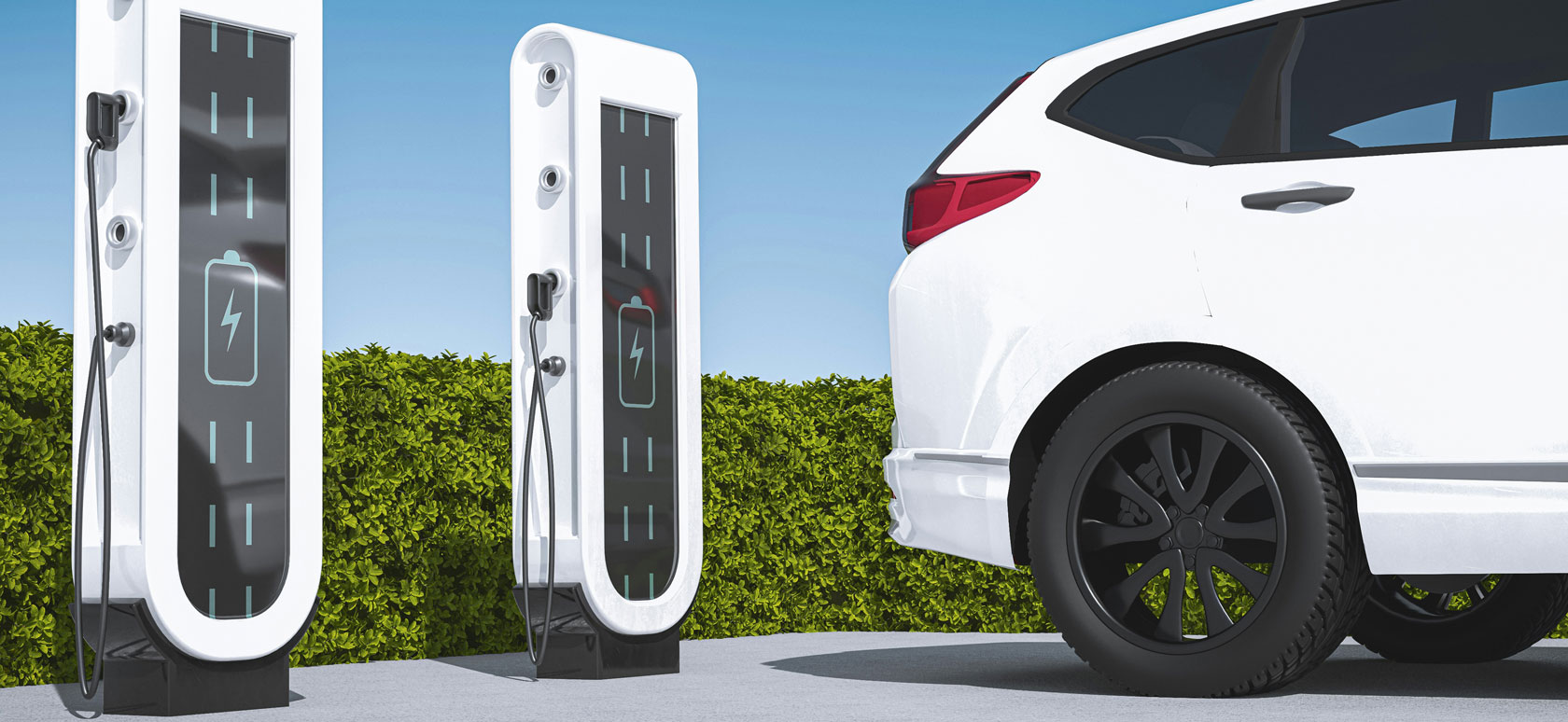
    • Eco-friendly energy utilization technology
    • Clean green product technology for business diversification
    • Strengthening the advanced R&D system
  • Future Technology

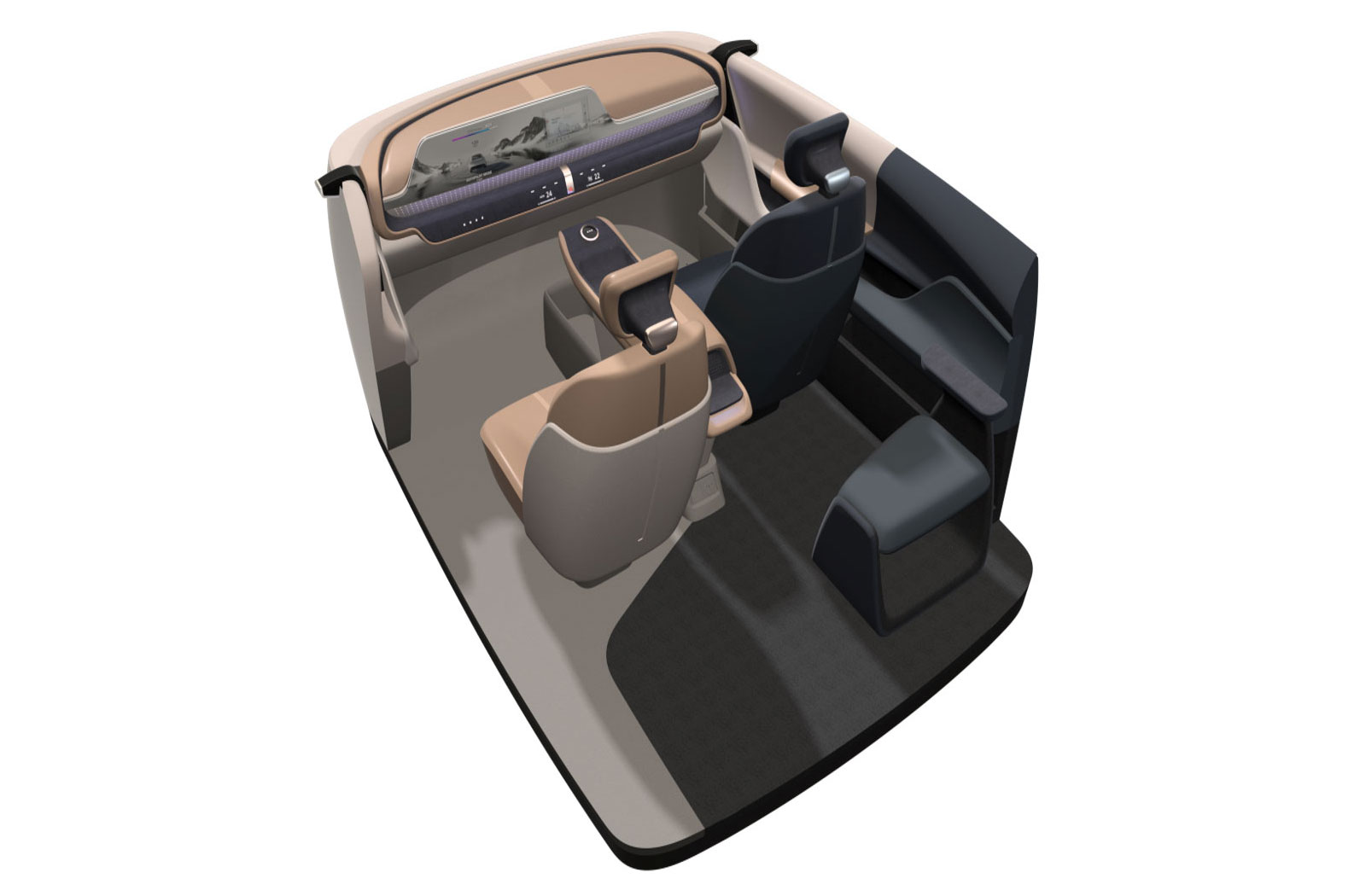
    • Future car integrated interior design and module design technology
    • Future car-linked convergence and hybrid electrification technology
    • High-sensitivity lighting system and smart convenience components technology
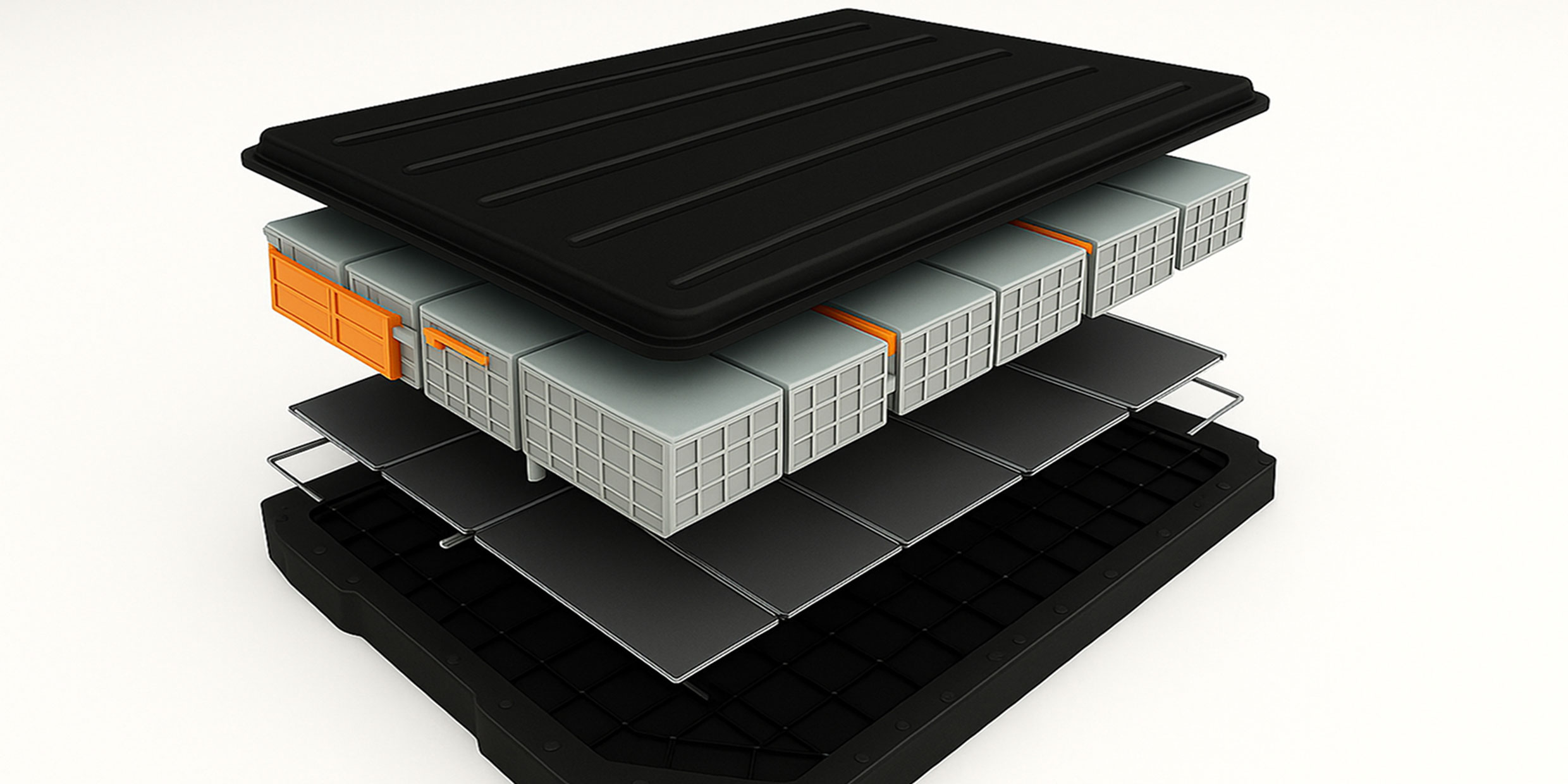
    • Lightweight, high-safety battery and energy storage technology
  • Future Material

    • High-strength, high-light polymer material
    • Eco-friendly VOC's Free bio material
    • High functional and real emotional material
    • Electronic convergence/composite smart cutting-edge materials
  • Personnel training for the future

    • Reliable design and technology development capabilities
    • Talent that aims to become a global leader
    • Systematic thinking and pursuit of action
    • Attitude of communication and cooperation

7 Core technical fields

Realization of innovation through research based development of core technical fields for each product and technique.

  • 01

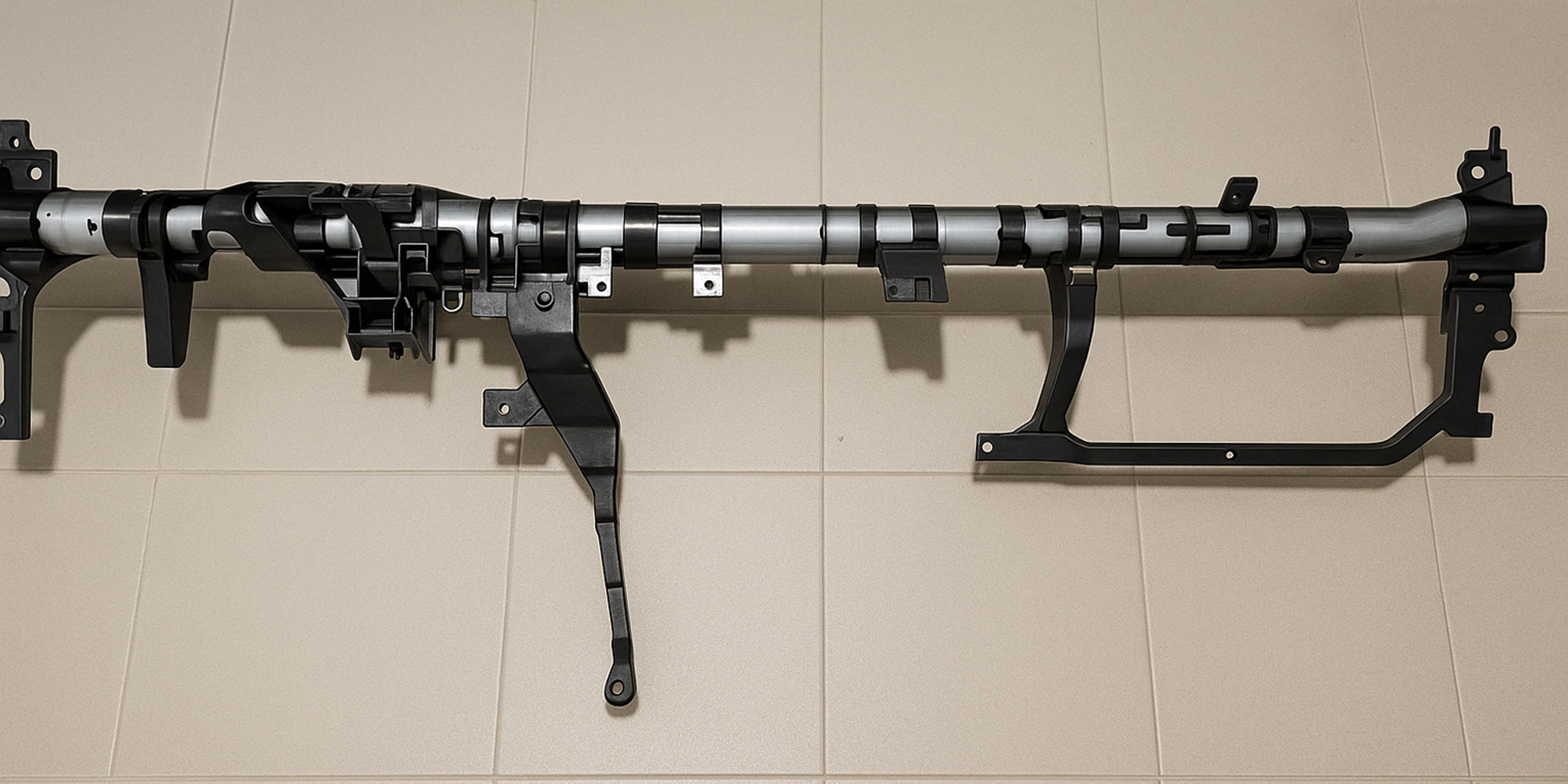
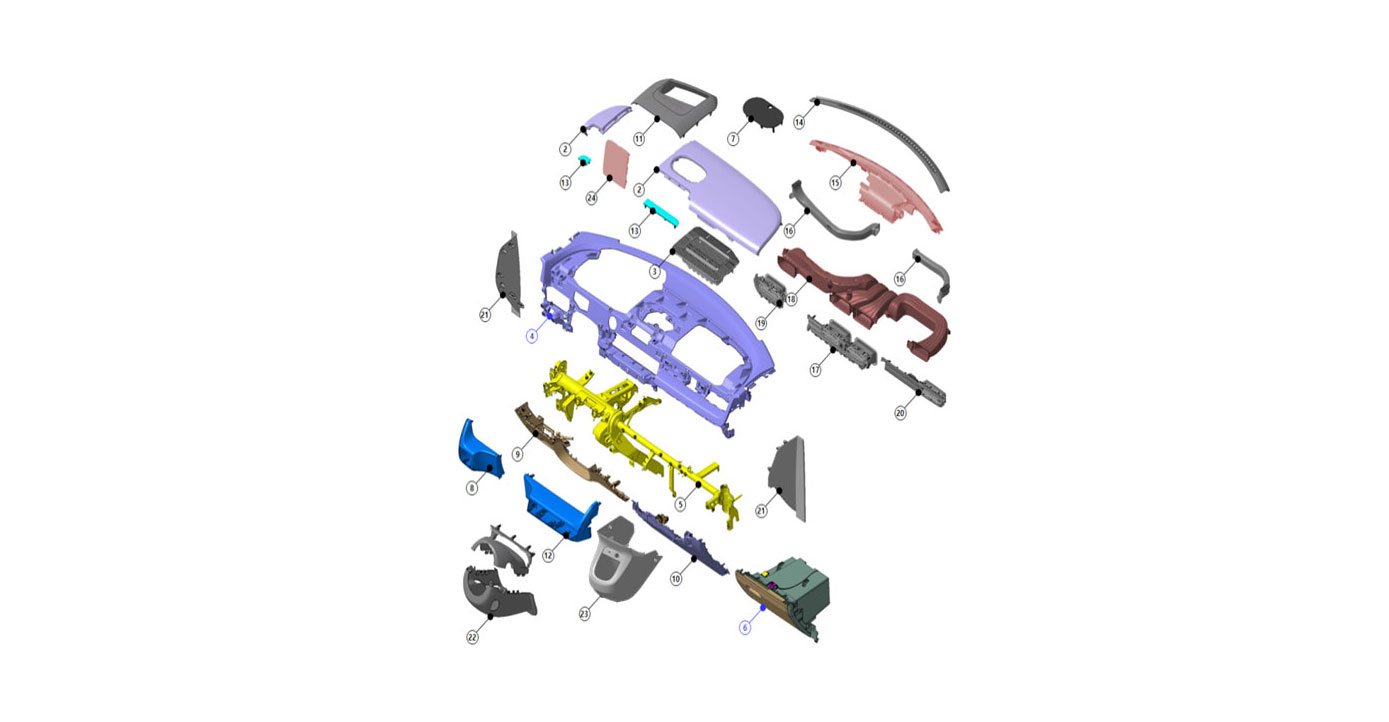
    Automobile interior components field

    Applying new technology to each component such as Cockpit, Door etc
  • 02

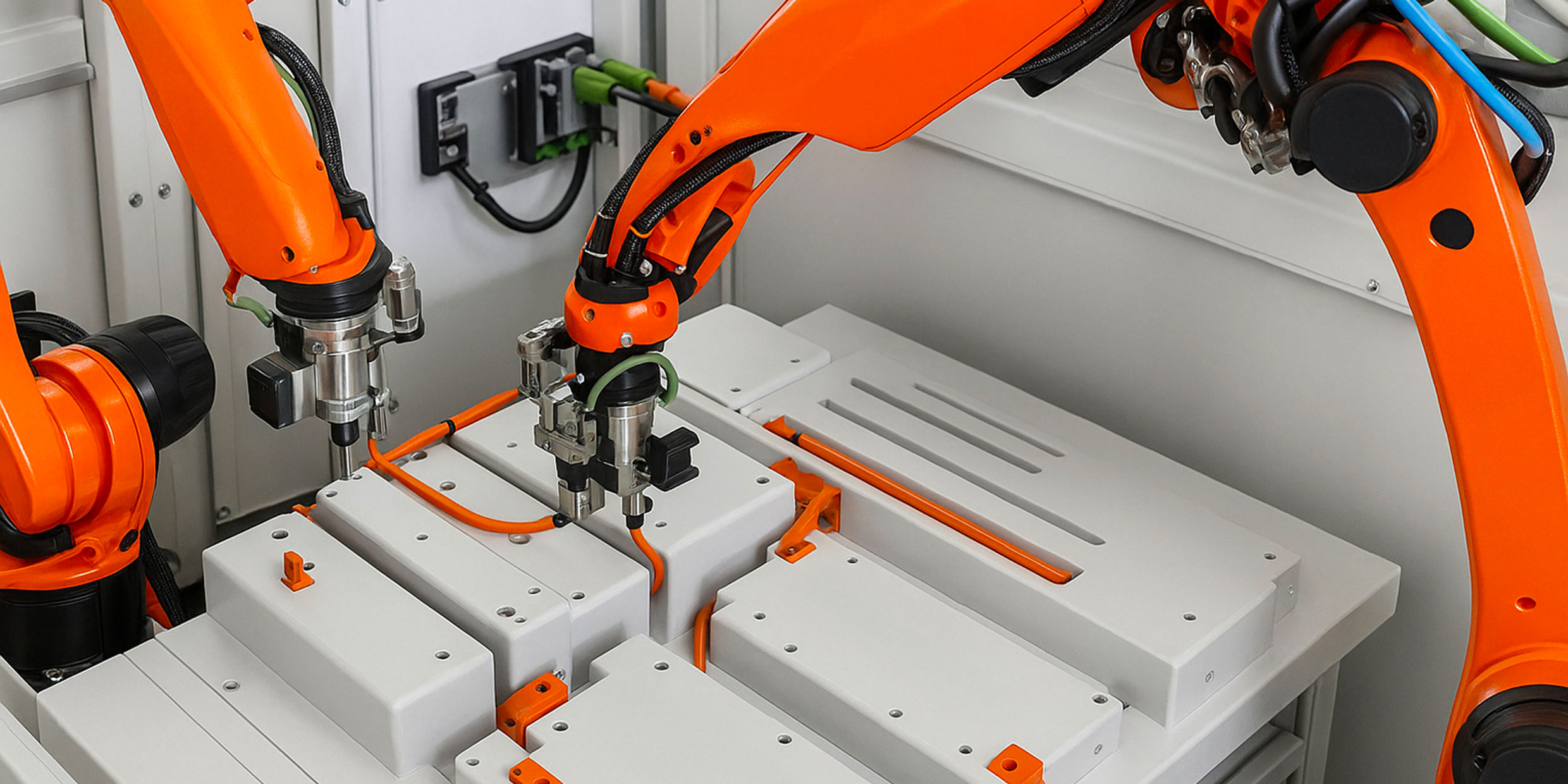
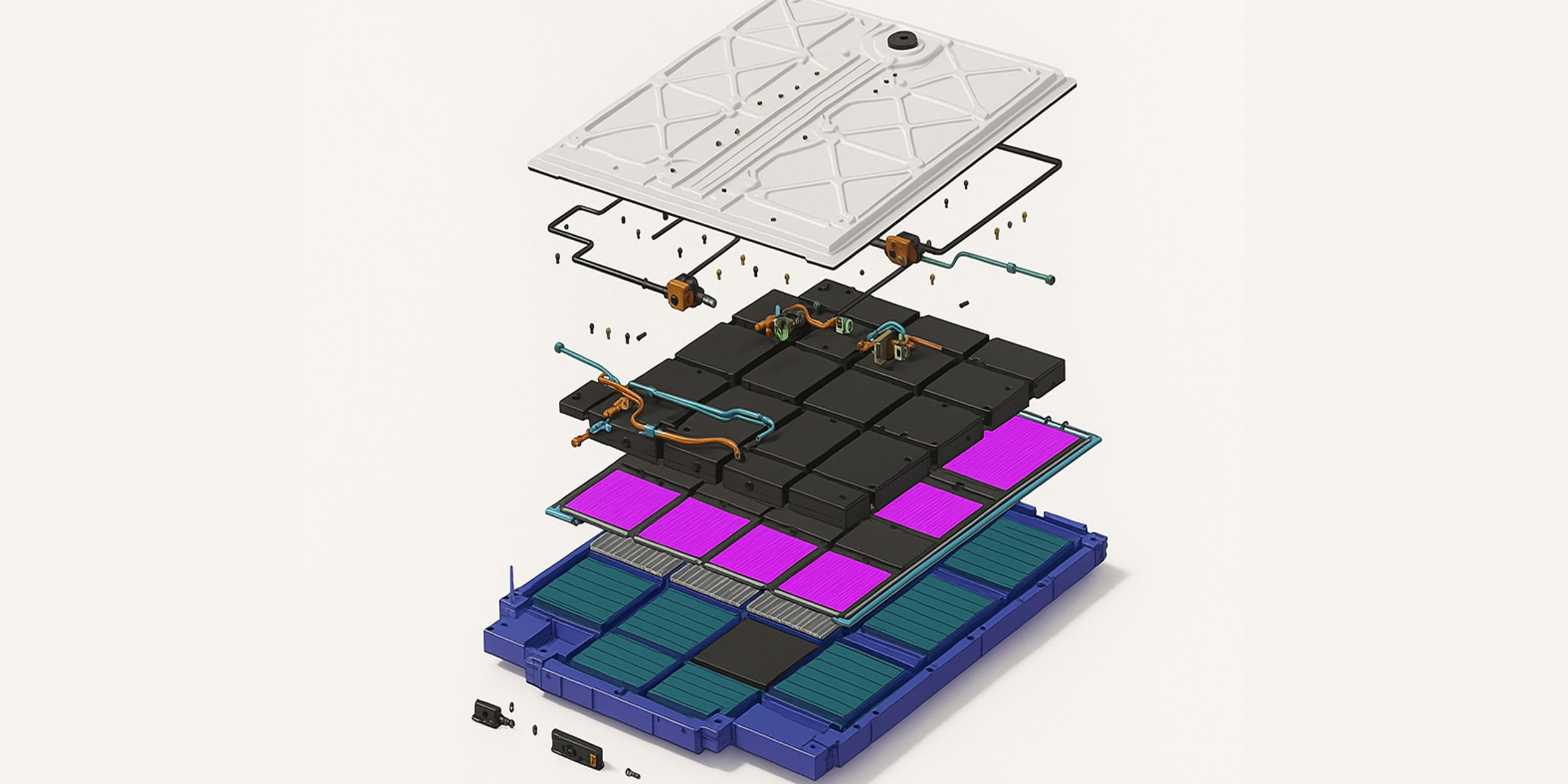
    Electrification components field

    Battery module, ESS etc
  • 03

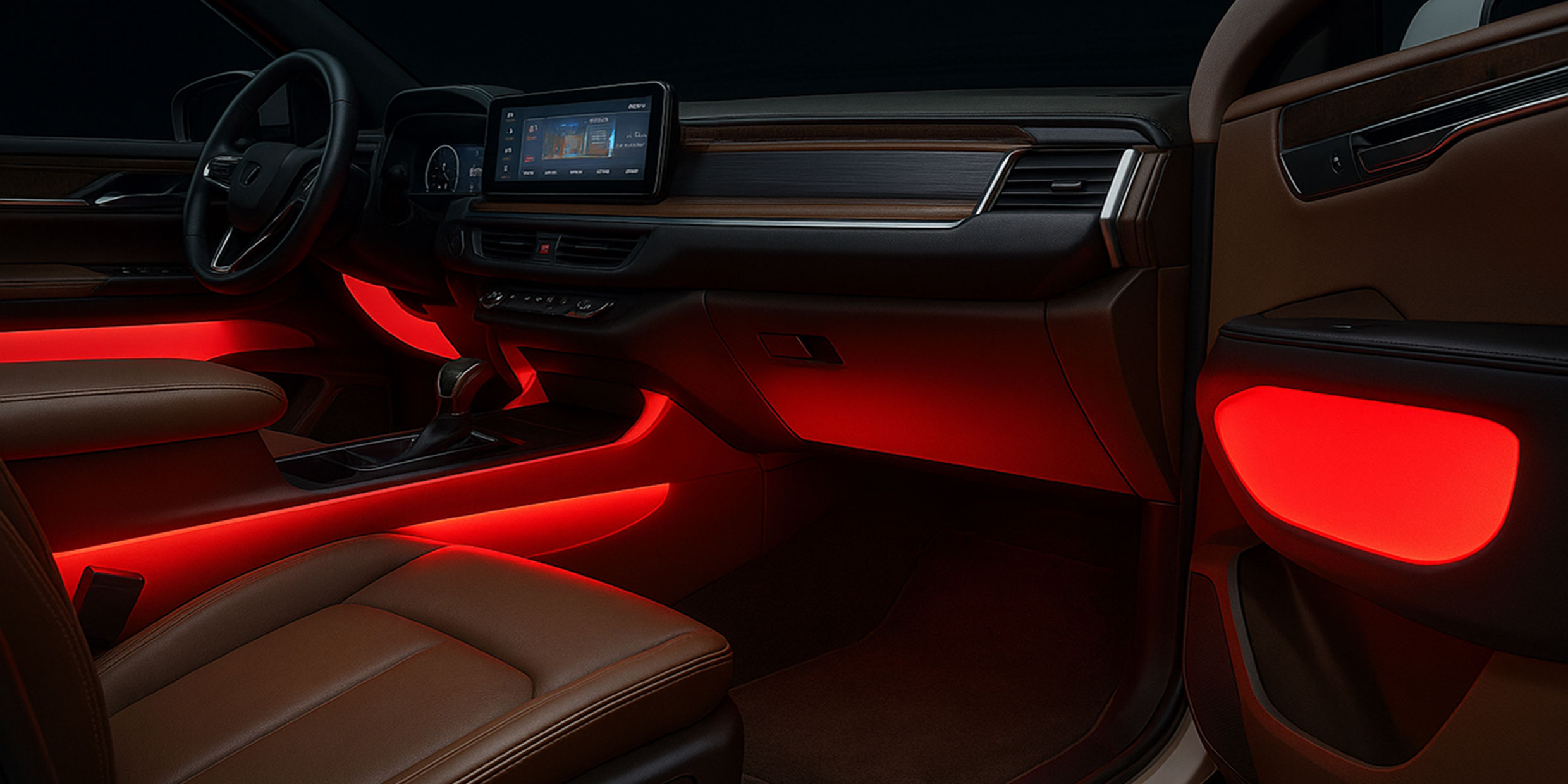
    Functional technology field

    Lighting, surface heating, insulation, heat resistance, radiation etc
  • 04

    Eco friendly weight lightening technology field

    Material, structural technology etc
  • 05

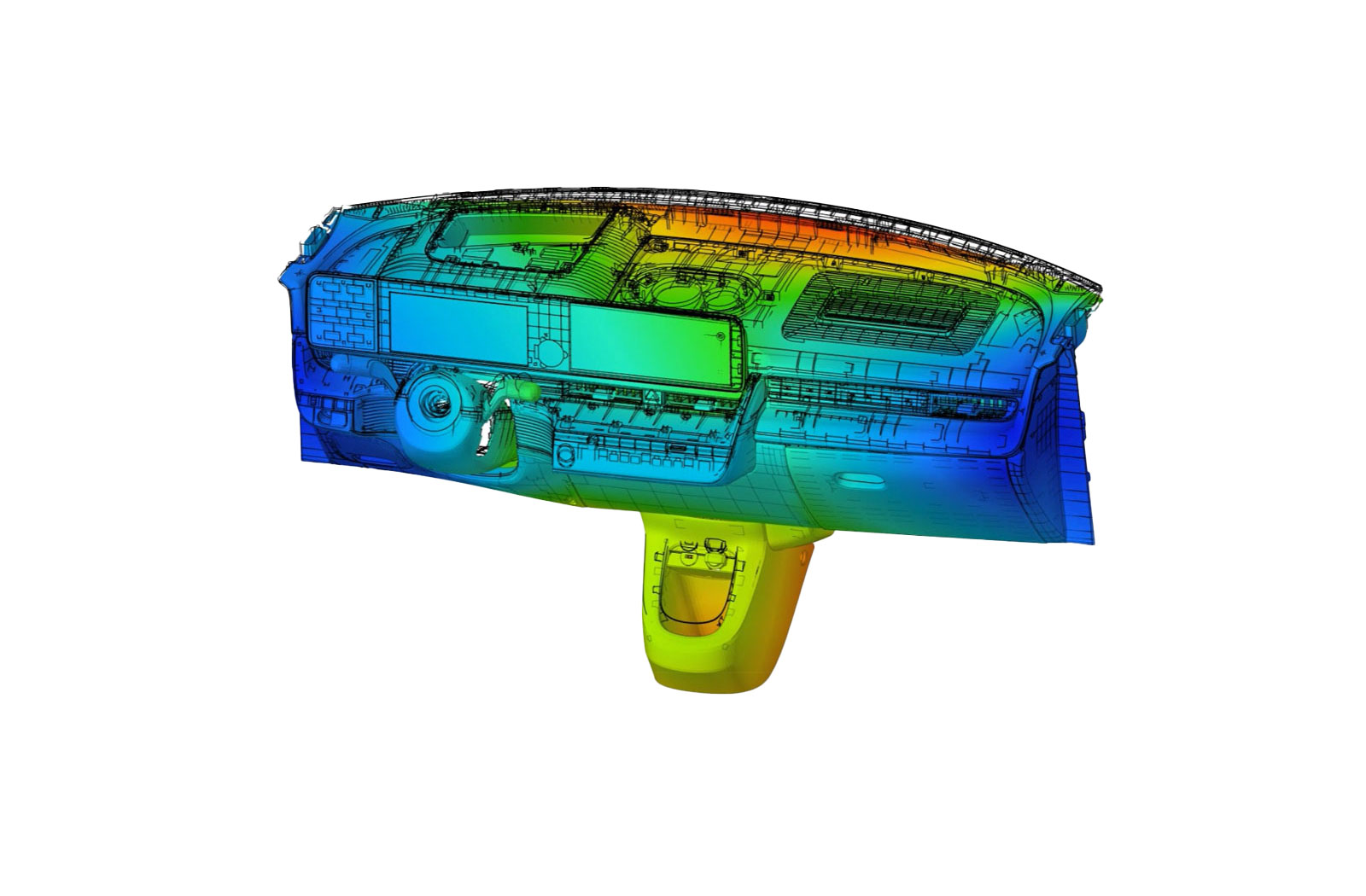
    CAE field

    Interior and Exterior, Electrification etc
  • 06

    Battery application field

    ESS for ships, recycling battery after use, movable mobility field, industrial transportation field etc
  • 07

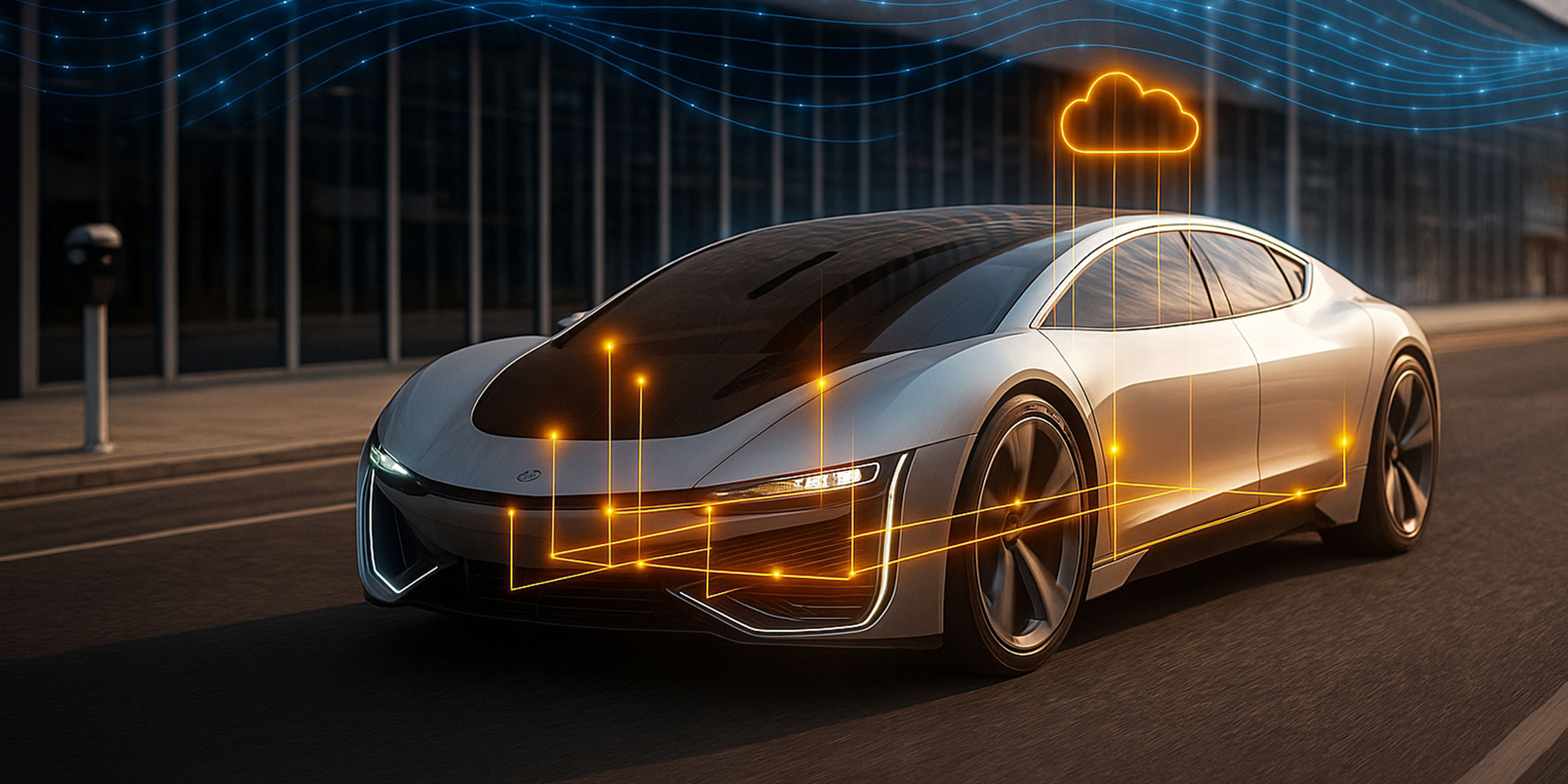
    SDV related technology field

    Combining new technology such as driver’s analysis, algorithm, AI, OTA etc, SDV components system control technology etc.

Advance design design process

step 01

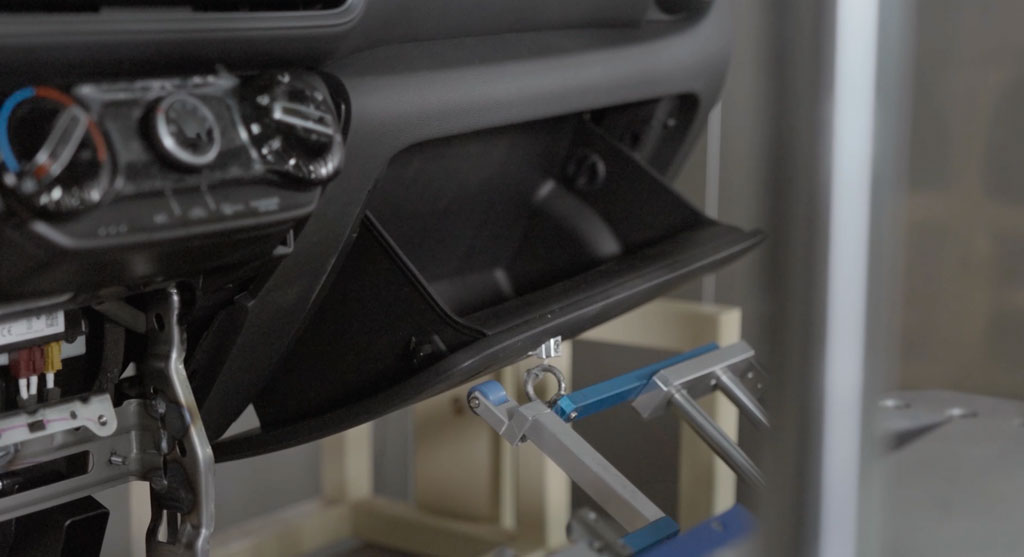
Disassembly Analysis

We are constantly challenging ourselves and growing with our customers based on the belief that “manufacturing, the backbone of national industry, drives the economy”.
  • Technology trend analysis
  • Conducting structural analysis & functional evaluation
  • Establishing technology roadmap
step 02

Detail Design

Scrutinize the structure of the design model and reflect on past differences to improve design quality.
  • Structural review of design model
  • Reflecting past vehicle problems
  • Checking design review checklist
step 03

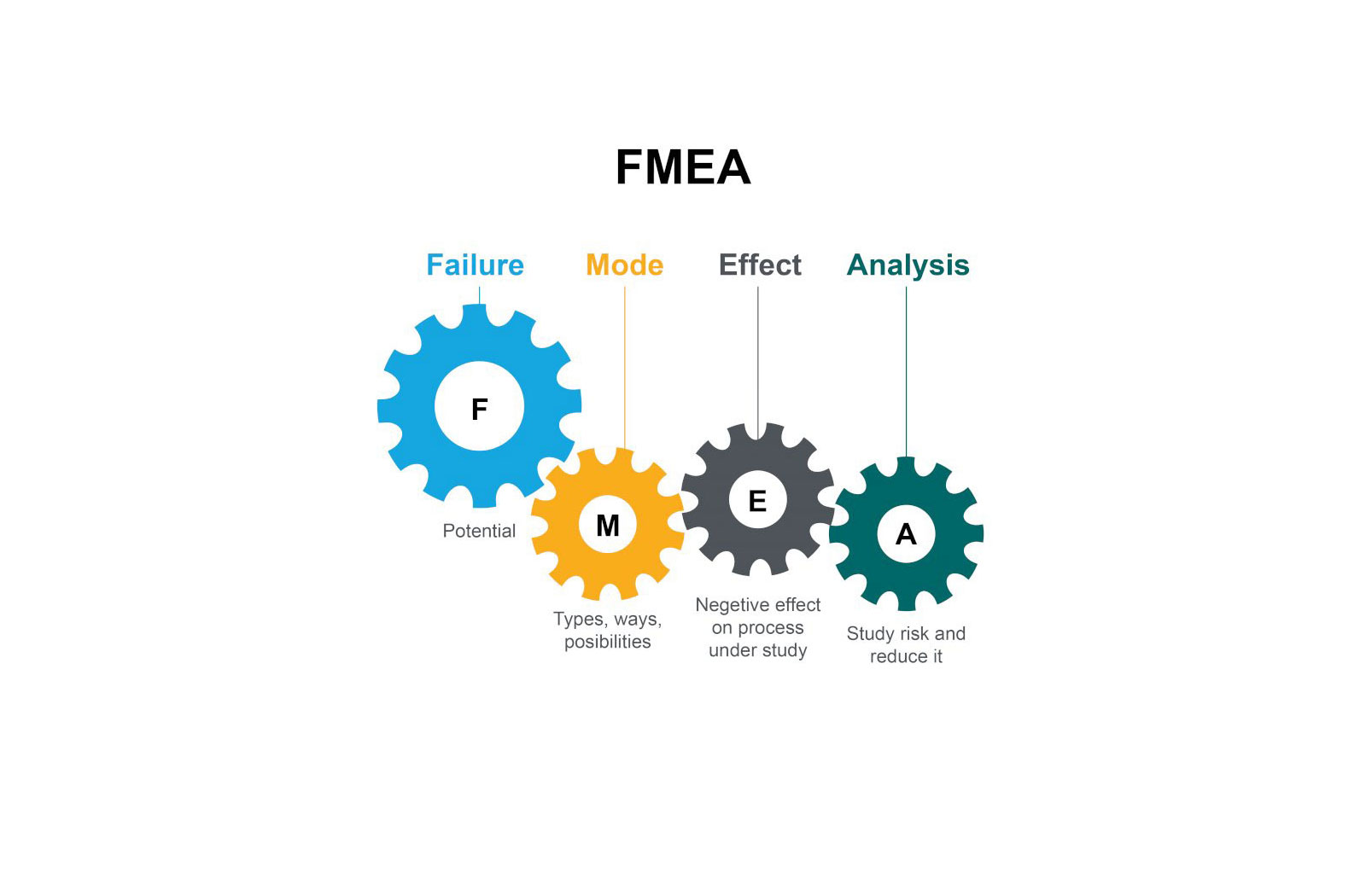
DFMEA

Proactively address design risks by analyzing part-by-part functionality and assessing potential failure modes and impacts.
  • Structural analysis and function evaluation
  • Analysis of potential failure types and the impact
  • Fishbone technique
step 04

DR/DPA

During the final design review phase, we scrutinize the design for assemblability and interference, and resolve open issues to finalize the product.
  • Functional analysis of each part
  • Checking Open Issues
  • Assemblability verification, and interference check
step 05

Prior Analysis

Proactively predict performance to guide improvements and identify optimal design choices.
  • Prior performance prediction
  • Presenting improvement direction
  • Deriving optimal solutions
step 06

RP Verification

Create and verify pre-release RPs and check assembly matching to reflect improvements from the PROTO stage.
  • Production and verification of RP prior to release
  • Checking assembly matching
  • Reflecting improvement plan in the PROTO stage
step 07

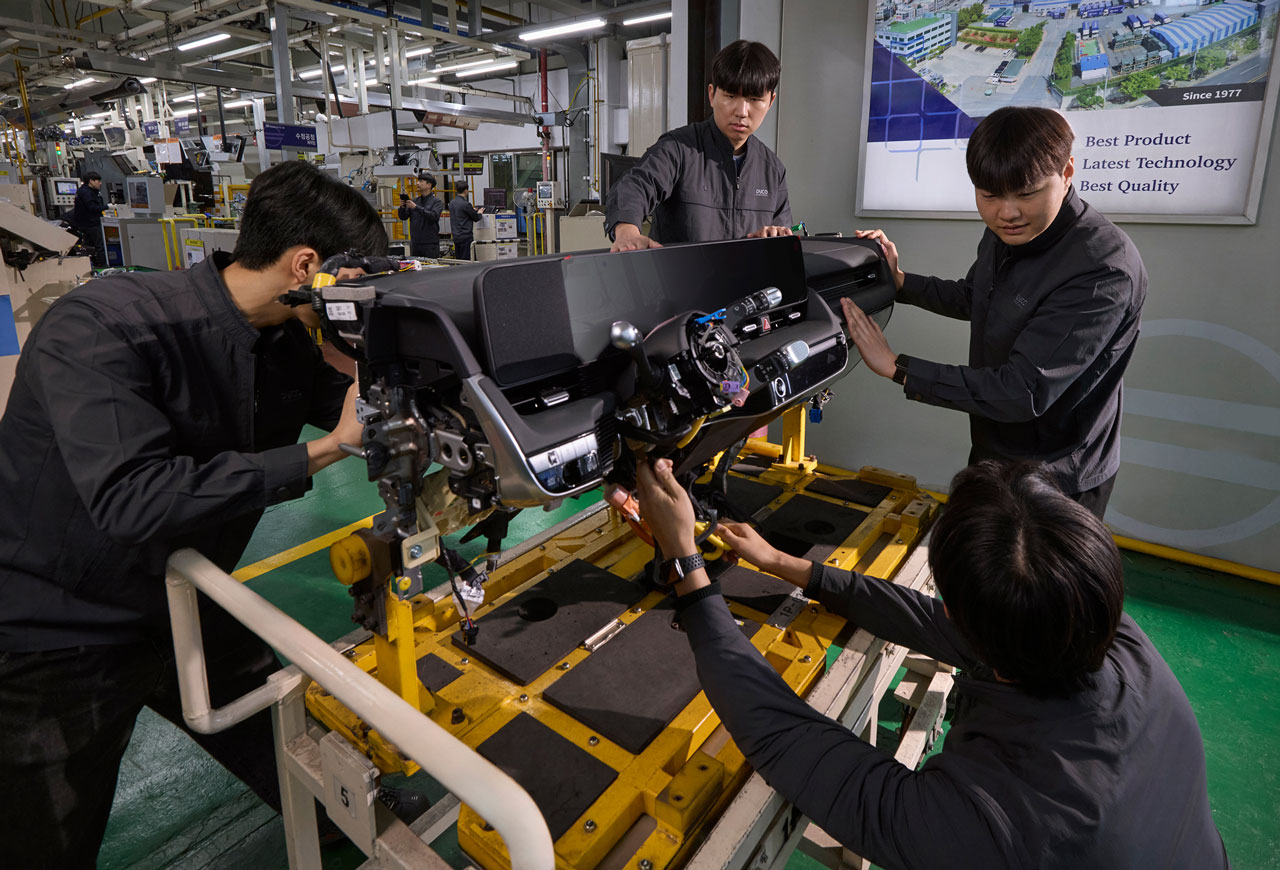
Prototype Production

Pre-qualify for mass production, set quality control priorities, and drive quality assurance and improvement.
  • Pre-verification of mass production feasibility
  • Setting quality control priority items
  • Quality assurance and quality improvement
step 08

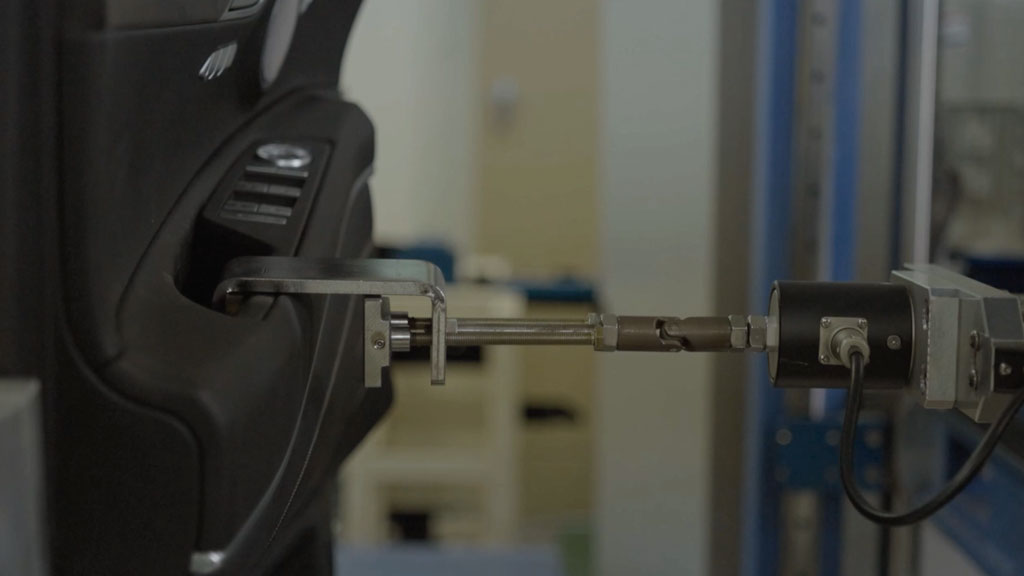
Test & Evaluation

We verify the performance required by the customer, evaluate reliability through various tests, and reflect improvements in the PILOT phase.
  • Verification of customer-required performance
  • Specification and worst-case/limit testing
  • Reflection of improvement plan in the PILOT stage